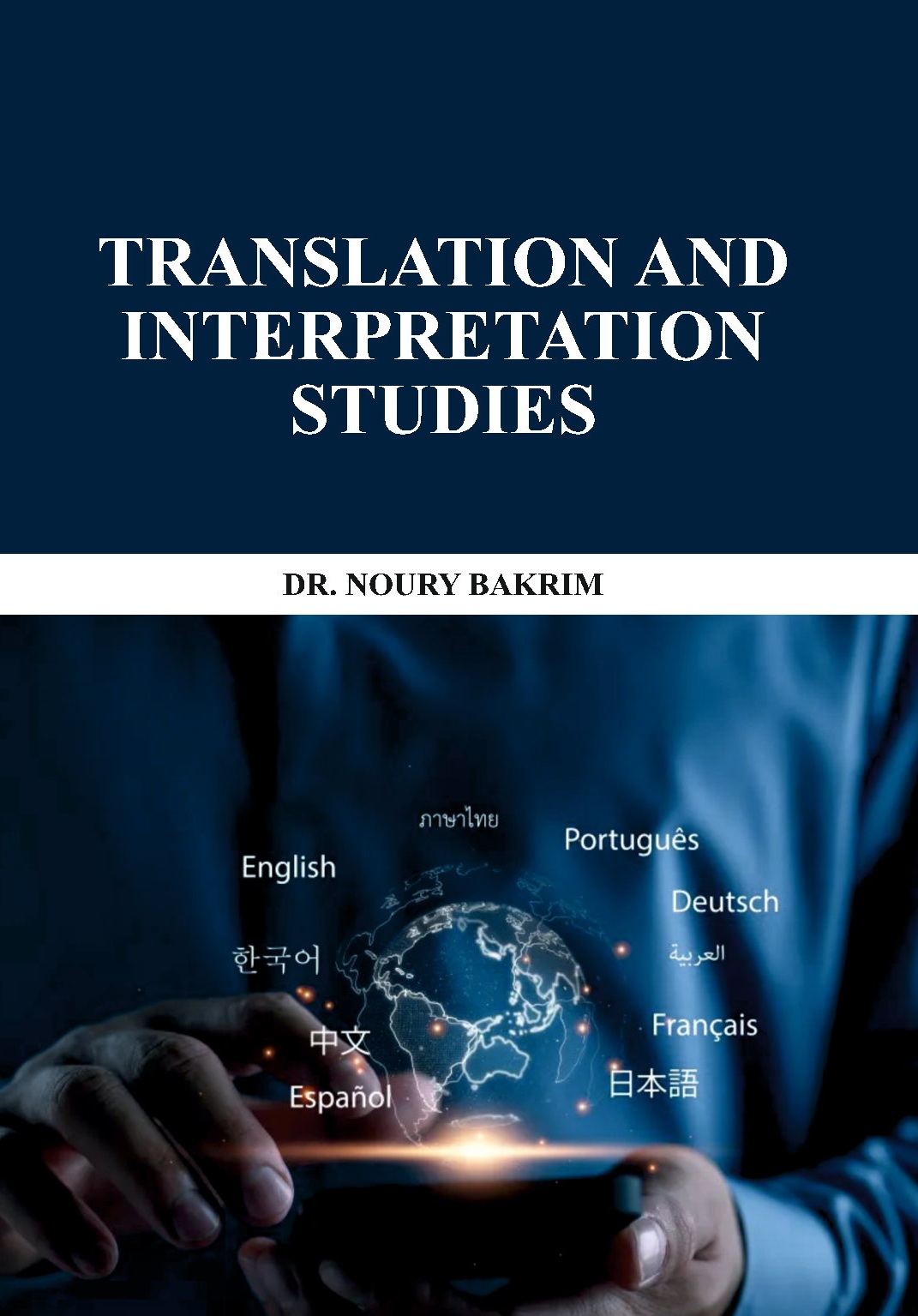
Translation and Interpretation Studies

Book Abstract
Translation equivalence is an important concept of translation theory. It is one of the main principles of Western theory of translation. Finding translation equivalents is one of the core problems of the translation process. As Catford states, ?the central problem of translation-practice is that of finding TL equivalents. A central task of translation theory is that of defining the nature and conditions of translation equivalence.? (Catford,1965, p. 21). Starting from the middle of the twentieth century a lot of prominent theorists who work in the field of translation theory include the concept of equivalence in their theorizing and research. The concept of equivalence was used to distinguish the difference between free and litreal translation. Roman Jacobson became the first who used this term in his work published in 1959. Later a lot of specialists used this term in their works and made a lot of attempts to distinguish the concept of equivalence. Such prominent specialists as Vinay and Darbelet Jakobson, Nida, Catford, House and Baker used the concept of equivalence in their studies. All of them regarded this concept in relation to the translation theory. Translation is a complex process which can be regarded from several perspectives. Some specialists view translation as a merely linguistic process where notions from one language are translation into another one. This group of specialists regards equivalence as litreal translating each word and notion. At the same time other specialists state that cultural context is very important for the translation
Login to read bookBook Detail
-
Book Title
Translation and Interpretation Studies
-
Book ISBN
979-8-89981-809-7
-
Author
Dr. Noury Bakrim
-
Category
Humanities